


Why Linen Gets Better with Age (And Cotton Doesn’t)
There are many reasons why linen—more specifically, European linen—is the fabric of choice for those looking for bedding that lasts. We break down the science behind it and compare flax linen versus cotton to show why linen only gets better with time.
Linen: One of the World’s Oldest Fabrics
Flax linen is one of the world’s oldest textiles; linen scraps found in a cave in the Caucasus were estimated to be 38,000 years old! While we suspect they wouldn’t be much use as linen bedding these days, it’s proof that quality linen can last for literally tens of thousands of years. In the moneyless economy of the ancient Egyptians, linen was even used as currency, while also often the chosen fabric of day wear and even of death, as Egyptian mummies were wrapped in linen bandages.
It is said that Alexander the Great wore a breastplate made from laminated linen as he conquered Europe and Asia. It’s also the canvas upon which the old masters painted, works that continue to entrance museum visitors centuries after they were created.
The Structure (and Science) of Flax
Like a fine wine or whiskey, European linen gets better with age. And, like fine wine and whiskey, these properties originate in the field. Linen is made from flax, a blue-flowered plant that grows up to one meter tall. To maintain this height, it has a thick, strong stem and it’s from this stem that linen gets its toughness.

Linen is part of a group of fibers known as bast fibers; these include jute, hemp, and ramie. Bast fibers are made from the inner structure, or “bast”, of the stem. The bast is not a single cell but is instead many smaller cells packed into a tough foundation that gives the stem its strength, as well as transporting sucrose and other vital nutrients to other parts of the plant.
Holding these fibers together is a compound called pectin, which acts as a natural glue. When the flax plants are harvested, they’re laid in the field for several weeks so that the fibers separate, a process known as retting. During retting, natural moisture from dew and rain dissolve pectin, as well as rotting away the softer plant material around the bast.
How the Cotton Plant is Different
Cotton plants are wide and many-branched, rather than a single tall stem like flax. After the flower is pollinated, it withers and drops off to reveal a green boll. This grows and eventually splits to reveal the seeds. The seeds are protected by white cellulose fibers, which are harvested and spun into yarn. Unlike linen fibers, which are naturally formed from many layers of cells, cotton fibers are just one cell thick, so must be spun together.
Linen: an Antidote to Throwaway Culture
Because of its multi-cellular nature, linen is extremely durable, resisting rips and tears despite its lightness. This combination of strength and lightness makes it ideal for travel clothing, sacking, and upholstery. But what makes linen particularly unusual is its tendency to improve with age, rather than wearing thin as many other fabrics do. The reason? It’s all about pectin.

As we’ve mentioned, pectin acts as a glue that binds and strengthens the flax stem. Even at the end of the production process, some pectin remains, which can give some linen a slightly stiff or rough texture. However, repeated washings dissolve more pectin, so linen softens over time. At The Modern Dane, we garment-wash our durable linen bedding as a final step so it’s soft out of the box; however, you can expect it to get even softer over time.
Cotton, on the other hand, is known for being soft even when new. Instead of softening over time, however, cotton can wear thin, pill, and even tear; washing tends to weaken rather than improve it.
Additionally, many modern bed sheets are made from polyester blended with cotton, also known as polycotton. Polycotton sheds microplastics with each wash, affecting the marine environment and water supply as well as the integrity of your bedding.
What About Thread Count?
Many people still use thread count as an indicator of bedding softness and durability, without truly understanding what it means. Thread count is simply the number of horizontal and vertical threads woven into one square inch of fabric but doesn’t distinguish thread quality. A higher thread count can mean thinner threads, since more threads can be squeezed into each inch of fabric.
Since linen strands are thicker, linen thread counts can be much lower than cotton: even as low as 80 threads per inch. To avoid confusion, therefore, thread counts are rarely listed on linen sheets.

What is the Lifespan of Linen Sheets?
How long your European linen bedding lasts depends on how much contact it has with your body. Fitted sheets and pillowcases tend to wear out fastest but will still maintain a high quality for around three years. Expect top sheets to last much longer, and for duvet covers to last even longer. Since you won’t be replacing the whole set at once, you can buy fitted sheets and pillowcases separately in The Modern Dane’s shop.
How to Ensure Your Linen Sheets Last
Taking care of your soft linen bedding is key to ensuring it lasts as long as possible. Linen’s breathability means it stays clean and dry, so you don’t need to wash it too often; every 2 to 4 weeks is enough. Wash on cold or low heat and use a mild, pH-neutral, eco-friendly detergent. Avoid fabric softeners, as they may leave residue and compromise linen’s natural breathability. Dry your bedding naturally if you can but if you can’t, put it in the dryer on a low heat setting. Avoid over-drying, as this can damage the fibers; ideally, remove sheets while they’re still slightly damp.
When not in use, store our duvet covers (one of The New York Times' favorites!) in a cool, dark, and dry place, but avoid plastic bags or boxes that can trap moisture and encourage mold growth. Direct sunlight can also weaken linen; if your bed is in a sunny spot, place a throw over it during the day.
Have you tried linen bedding? How do you think it compares with cotton? Let us know on Instagram, Pinterest, Facebook, or Twitter!
Read more
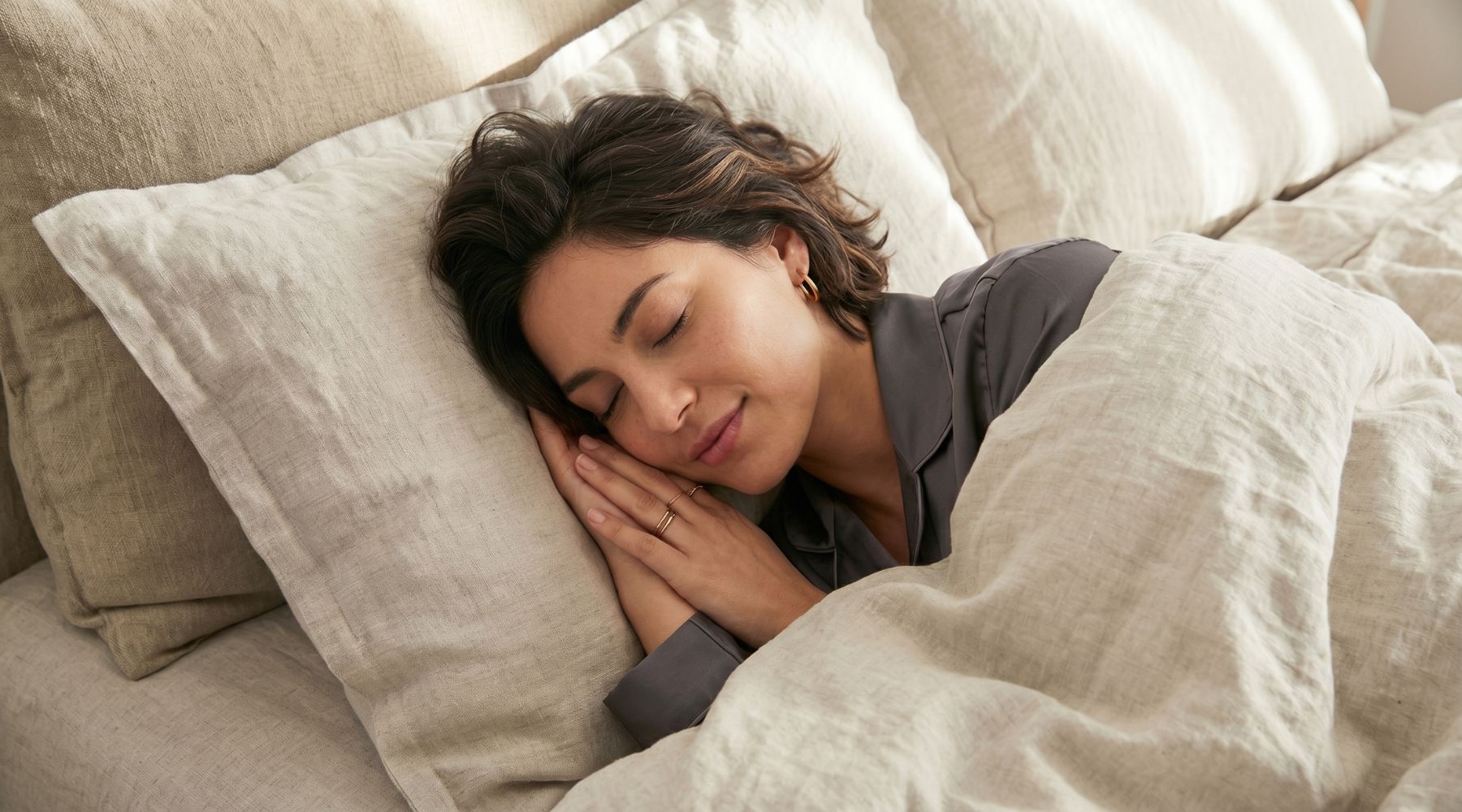
European Linen Bedding: Why Flax Matters for Soft Sheets
All flax is not created equal. Discover why European flax stands apart for softness, strength, and sustainability.
Read more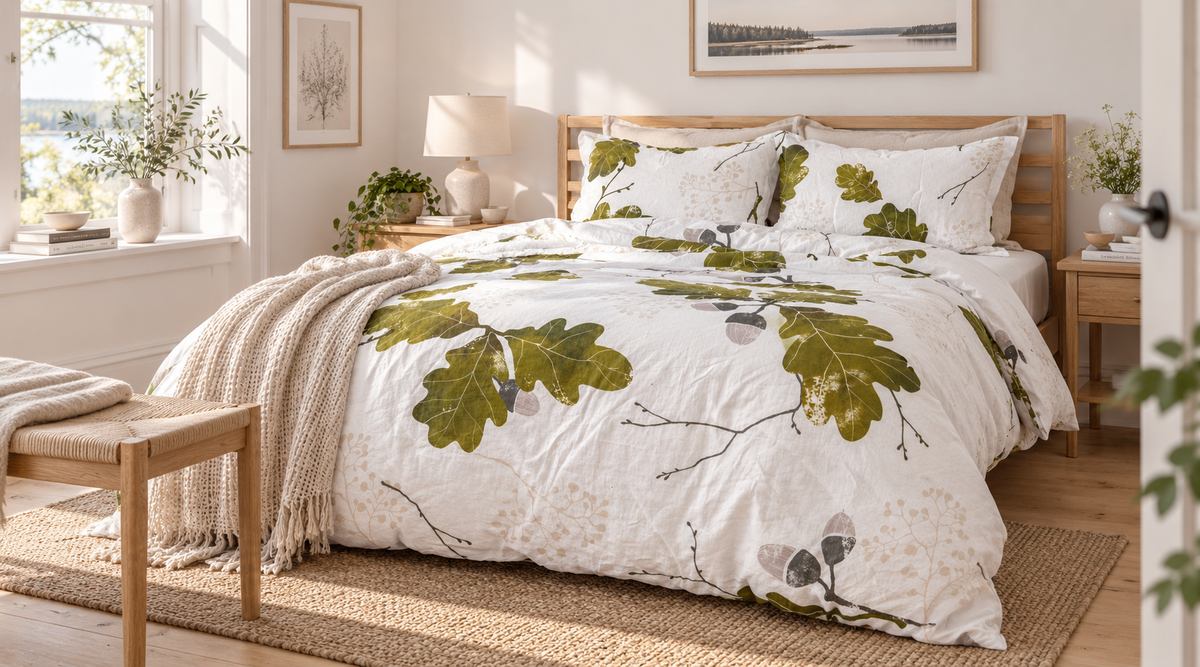
How to Style Your Bed Like a Danish Home
See how to style your bed, the Danish way, using Danish design principles to guide the way it looks and feels.
Read more

Leave a comment
This site is protected by hCaptcha and the hCaptcha Privacy Policy and Terms of Service apply.